Broken bones and serious foot and ankle injuries
A fall, a twist, or a car accident can break bones in the foot or ankle. Many breaks heal in a cast or boot, and some need surgery to line the bones back up.
Common foot and ankle injuries
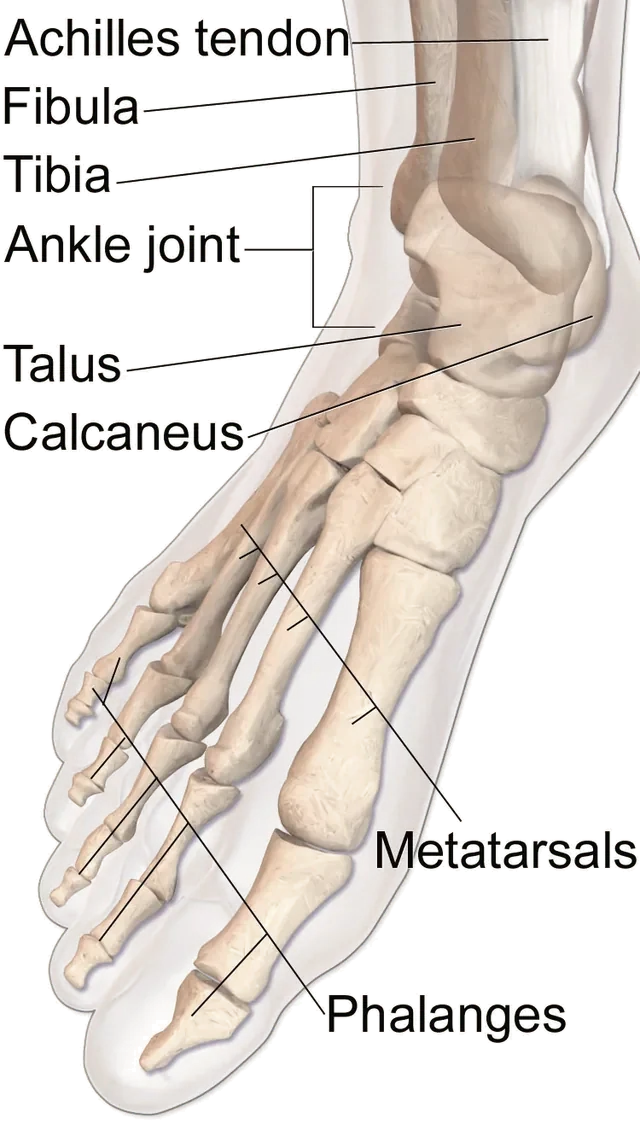

- Ankle fractures: a break in one or more of the bones that form the ankle joint. Some are small and stable. Others shift the joint out of place.
- Foot fractures: breaks in the heel, the middle of the foot, the long bones of the foot (metatarsals), or the toes.
- Fifth metatarsal fractures: a break in the long bone on the outside of the foot, leading to the little toe. Where the break is matters. Some areas heal well in a boot. Others heal more slowly.
- Lisfranc injuries: damage to the bones or ligaments in the middle of the foot. These can be easy to miss on first X-rays and are sometimes mistaken for a sprain.
Signs to watch for
- You can't put weight on the foot or take more than a few steps
- Swelling and bruising, especially on the bottom of the foot
- Pain when you press on a bone
- The foot or ankle looks bent or out of shape
What to do right after an injury
- Stop the activity and stay off the foot
- Rest, ice, gentle compression, and keep the foot raised (elevation) in the first days
- Do not try to push a bone back into place
- Get an exam and X-rays, even if you can walk a little
Get help right away if… a bone is poking through the skin, the foot looks badly out of shape, or the foot is cold, pale, numb, or blue. Go to the emergency room or call 911. If you have diabetes or nerve damage, have any foot injury checked soon, even if it does not hurt much.
Treatment without surgery
Many fractures stay in good position. These can often heal with:
- A cast, splint, or walking boot
- Crutches, a walker, or a knee scooter to keep weight off the foot
- Follow-up X-rays to make sure the bones stay lined up
When surgery helps
Surgery may be recommended when:
- The broken pieces have moved out of place (displaced)
- The ankle or foot is unstable
- The break goes into a joint surface
- Ligaments in the middle of the foot are torn, as in many Lisfranc injuries
- A break is in an area known to heal slowly, or has not healed with a boot
The most common surgery is open reduction and internal fixation (ORIF). In plain words, the surgeon puts the bones back in place and holds them there with plates and screws while they heal. In some cases, joints are fused (joined) so they heal as one solid bone.
Recovery
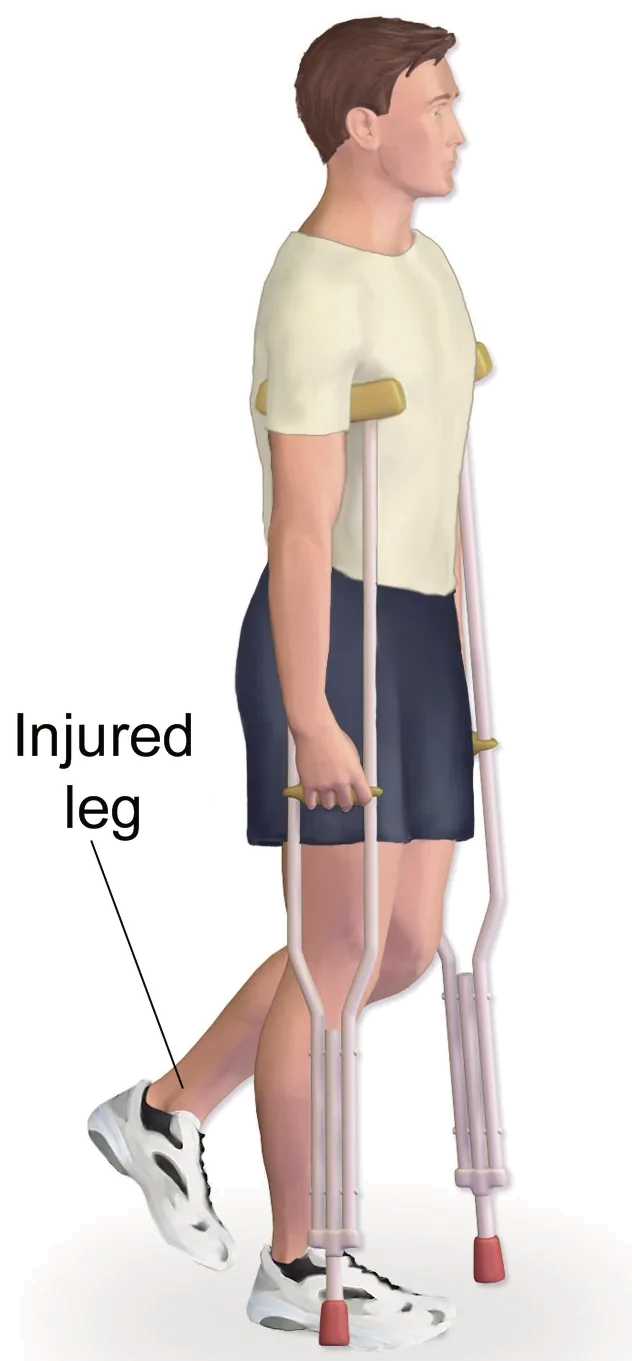

Broken bones often take 6 to 8 weeks or longer to heal. Full recovery, with strength and normal walking, often takes several months. Your time frame depends on the type of break, whether you had surgery, your overall health, and whether you smoke or have diabetes. Physical therapy often helps with motion and strength.
Hurt at work or in a car accident? Dr. Nafal accepts workers' compensation and Michigan no-fault auto insurance. See what to bring.
How Dr. Nafal can help
Lower extremity trauma is one of Dr. Nafal's areas of focus. He completed his podiatric surgical residency at Corewell Health Wayne Hospital and operates at Corewell Health Dearborn Hospital and McLaren Macomb Hospital. He explains every option in plain words, including options that don't involve surgery.
Common questions
If I can walk on it, can it still be broken?
Yes, especially with smaller breaks or nerve damage. An X-ray is the way to know.
Will the plates and screws need to come out?
Often they stay in for life. Sometimes they are removed later if they bother you. Dr. Nafal will talk with you about this.
When can I drive again?
It depends on which foot is hurt, the type of injury, and whether you are in a boot. Do not drive until your doctor says it is safe.
Talk to Dr. Nafal about your foot or ankle injury
Offices in Canton and Troy. New patients welcome.